
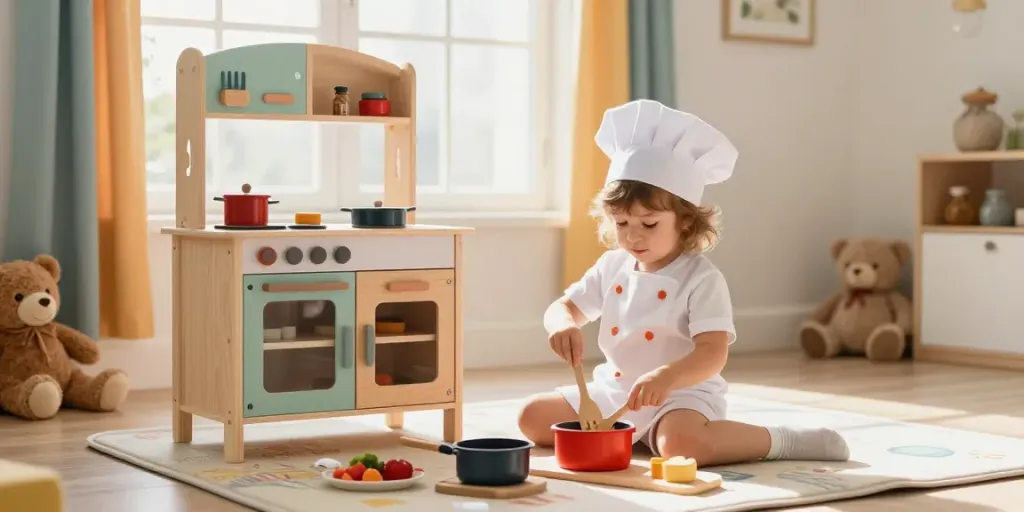
The Benefits of Wooden Kitchen Sets in Child Development
Play is an essential aspect of childhood development, enabling children to explore their creativity and understand the world around them. Among the myriad of toys available, wooden kitchen sets have emerged as a favourite among parents and educators alike, thanks to their durability, aesthetic appeal, and role in fostering imaginative play. In this article, we will delve into the numerous benefits that wooden kitchen sets provide, highlighting their role in child development and the skills they encourage in young minds.
Understanding Imaginative Play
Imaginative play, often referred to as pretend play, is crucial for a child's cognitive and social development. Children use this type of play to emulate real-life scenarios, allowing them to experiment with various roles and situations. Wooden kitchen sets serve as the perfect catalyst for this kind of play, mimicking the adult world of cooking and serving. By engaging in role-play using these kitchens, children can navigate social interactions, solve problems, and express their thoughts creatively.
How Wooden Kitchens Foster Creativity
Wooden kitchens come with various accessories—utensils, food items, and more—that encourage children to create stories around their play. This creative process is vital, as it enhances their imagination and helps them think critically about the scenarios they are enacting. Moreover, the tactile nature of wooden toys promotes sensory exploration, as children learn to differentiate between textures, weights, and functionalities of different kitchen items.
Developing Practical Skills Through Role Play
Role-playing in a kitchen setting also offers practical skill development. Children learn basic cooking techniques and food safety awareness as they pretend to prepare meals. Such activities introduce mathematical concepts, such as measuring ingredients or counting items, while also fostering language skills through storytelling and dialogue during their play. Furthermore, they experience collaboration and negotiation skills when playing with peers or family members, laying the groundwork for effective communication in real-life situations.
Choosing the Right Wooden Kitchen for Your Child
When selecting a wooden kitchen set, there are several factors to consider to ensure that it meets your child's needs and preferences. Not only should the set be visually appealing, but it should also have features that foster engagement and learning.
Key Features to Consider
- Size and Space: Consider the available space in your home. A compact kitchen is essential for smaller areas, while larger sets allow for more extensive play.
- Durability: The build quality is crucial. Look for robust, solid wood construction that can withstand rough handling.
- Accessories: Additional items like pots, pans, and play food enhance play value. Ensure the set comes with sufficient accessories to stimulate imaginative scenarios.
- Colour and Design: Aesthetically pleasing designs can encourage play. Neutral tones may blend better with your home decor, while bright colours can create a vibrant play environment.
Eco-Friendly Materials and Sustainability
With an increasing awareness of environmental issues, choosing sustainably sourced wooden kitchen sets can be a responsible decision. Look for brands that use eco-friendly paints and finishes, ensuring safety for your child and lower environmental impact. Many manufacturers today prioritise sustainable practices, making it easier to find high-quality, eco-friendly products.
Age Appropriateness of Play Kitchen Sets
It's essential to consider the age appropriateness of a wooden kitchen set. Most brands indicate recommended age ranges on their packaging. For instance, younger children might enjoy simpler designs with fewer pieces, while older children could benefit from more complex sets that challenge their creativity and skills. Always check for small parts if purchasing for toddlers to prevent choking hazards.
Setting Up a Playful Kitchen Environment
Creating a stimulating play environment for your child can enhance their play experience significantly. A well-set-up play area encourages creativity and interaction.
Designing an Engaging Play Space
Consider design elements such as colour, layout, and comfort when preparing a play area. Use soft rugs or mats to designate the kitchen space, making it feel welcoming and safe. Additionally, incorporate shelving or storage solutions for easy access to accessories and food items, promoting organisation and responsibility.
Incorporating Accessories to Enhance Play
Accessories enhance the play experience by providing realistic elements that children can interact with. Consider adding items like chef hats, aprons, or even a mini dining table to create an immersive cooking and dining scenario. These accessories can make the play experience richer, encouraging storytelling and extended playtime.
Creating a Safe Play Area
Safety is paramount when setting up a play kitchen. Ensure the area is well-lit and free from hazards. Keep sharp objects, hard surfaces, and small items out of reach for younger children. It’s also essential to regularly inspect the wooden kitchen and accessories for wear and tear to maintain a safe play environment.
Engaging Activities with Wooden Kitchens
Wooden kitchen sets not only provide a platform for imaginative play but also present numerous activities that can engage children effectively.
Role-Play Cooking Scenarios
Encourage your child to create their own cooking scenarios, such as hosting a dinner party or opening a restaurant. This kind of role-playing can help them understand the responsibilities involved in meal preparation and hospitality, providing them with a more holistic view of domestic life.
Involving Friends and Family in Playtime
Incorporating friends and family into playtime can enhance social learning. Work together to create meals, share recipes, or even put on a play cooking show. Engaging in group play promotes teamwork and enhances social skills while allowing children to make lasting memories.
Educational Games and Cooking Lessons
Utilise the wooden kitchen to introduce educational games. For example, you could create scavenger hunts for specific play foods or challenge them to create meals based on certain criteria (e.g., "make a healthy meal with three ingredients"). This not only reinforces their learning but also makes education a fun and interactive experience.
Trends and Innovations in Wooden Kitchen Sets for 2026
As we move towards 2026, the world of children's toys continues to evolve, with wooden kitchen sets at the forefront of innovative designs and trends.
Smart Features in Modern Play Kitchens
Modern wooden kitchen sets are increasingly incorporating technology, with features such as interactive sound effects and integrated lights that simulate a real kitchen experience. Some brands are even introducing apps that can provide cooking recipes or games linked to their play kitchens, merging digital play with traditional toys effectively.
Popular Design Trends
Simplistic and minimalist designs are dominating the trends for wooden kitchens. Clean lines, neutral colours, and functionality are being prioritised, with sets that blend seamlessly into home interiors while remaining engaging for children.
The Future of Eco-Friendly Toys
As environmental consciousness grows, the demand for eco-friendly toys will only increase. Expect innovations focusing on sustainable materials, durable designs that last through multiple play years, and even options for upcycling old kitchen sets. Brands are becoming more mindful of their impact, paving the way for a greener future in children's toys.
What Age is Ideal for a Wooden Kitchen?
Wooden kitchen sets can be suitable for a wide range of ages. Generally, from around 3 years old, children can start engaging with these toys, while older kids up to about 8 or 9 can benefit from more complex designs that challenge their creativity.
Are Wooden Kitchen Sets Still Trending?
Yes, wooden kitchen sets remain a popular choice in the market due to their durability, aesthetic appeal, and educational benefits. Their timeless design ensures they continue to be a staple in children's playrooms and classrooms alike.
How Do Wooden Kitchens Compare to Plastic Ones?
Wooden kitchens typically have a more durable and classic appeal compared to plastic alternatives. They are less likely to dent or crack over time, making them a long-term investment. Moreover, wooden kitchens often have a more tactile quality, providing a richer sensory experience for children, which is increasingly important in educational play settings.
Are Wooden Kitchen Toys Safe for Young Kids?
Wooden toys, when produced by reputable manufacturers, are typically safe for young children. Look for non-toxic finishes and ensure that the kitchen set meets safety standards. Regular maintenance and checks are crucial to ensure no small parts are damaged or pose choking risks.